If I'm not mistaken, my 11 year old granddaughter took this picture a couple of weeks ago. It shows the me people don't always see. The me excited by my creations. The me who is finally re-emerging after a long desert of very dry places following my latest experience with workplace abuse.
*******
Last week I wrote about an unlikely friendship, one that has developed over a period of months based on our common bond of being marginalized: me by trauma; my friend by schizophrenia.
I've been thinking a lot about friends, friendships and how they form.
What makes them last. What makes them fade away.
Like workplace bullying, I think that friendship is complicated. There's no one pat answer. No one size fits all. Except that you meet a person and they seem to click with you from the start. Then you work on it - one conversation, one shared experience, one laugh at a time. For a very long time.
Friendships don't just happen. They're something you work at over a period of time. They grow (at least the good, lasting ones do) as you grow. They survive adversity. They survive chronic autoimmune diseases. They survive cancer. They survive trauma.
In short, they survive.
As I've gone through my journey re: workplace abuse, trauma and the long road to recovery, I've noticed that the greatest disadvantage or problem I face in my journey back is the lack of understanding among "regular" people. At first, they listen and then they shut down and start to offer advice. They want to fix the problem. And when it can't be fixed, they walk away.
Why?
Because they simply don't understand what it's like to have something that doesn't go away whether it be an autoimmune disease, trauma, depression ... whatever.
People are usually there - at least temporarily - for what I call the acute phase. The critical part. The life or death part. But I've learned that after the acute comes the chronic.
For example, I learned a few years ago about a little girl who had been born with unexplained bone marrow failure. At 14 months, she had a bone marrow transplant. For months, her life hung in the balance as she had fevers, etc. She was rushed to hospital by helicopter several times and she and her family became very well acquainted with that unit in the hospital.
Many people followed her ups and down via postings on the Caring Bridge website. We could understand the acute, the critical phase. But can we understand the present? The chronic? She is now five; alive, but not completely well. The transplant only took partially and there are long-term implications.
I also learned earlier this year about a mother who was going shopping with her two young children when she was broad-sided at an intersection by a driver who failed to stop at a stop sign. The youngest, ironically a girl, 14 months as well, was critically injured and sustained traumatic brain injury. Again, myself and many people have followed this story, this time via Facebook, as it unfolds. The child lived and is home now. BUT ... again as with the first example, there are long-term implications. An unending round of various therapies, blood work, eeg's, The mother lost her job because she has to constantly work with her little girl to help her regain the functioning she lost in the accident. Recently, she posted an explanation about why she's not working because apparently people are coming to her and giving her a hard time. The idea being: "your child is well now, why aren't you able to just get up and move on?" They're confusing life-threatening with being completely well. They're forgetting there's a middle ground. A very long middle ground. The chronic phase in which this little girl is relearning how to do everything including eat, make sounds and eventually form words. All the things the accident took away from her.
For me, I've discovered through this journey that the people I bond with the most are people who have something sort of in common with me. These are the one who have autoimmune diseases - of which there is a whole grocery list from TTP, to Adult Onset Stills, to fibromyalgia, lupus, etc. and or other "invisible" diseases such as heart disease, depression, trauma, etc.
These are the people who understand. Intimately. Because they're stuck in the chronic themselves.
Each one has a common thread. We're all stuck in something we can't get out of. For people who develop most of these diseases, it's a life time sentence. For some, such as TTP, there is the possibility of remission but even then there are many affects such as constant migraines that continue to plague the person forever.
As I walk through the valley of trauma and work through towards recovery - whatever it may look like, I've discovered that I have the most in common and receive the most understanding from those who are going through a journey with diseases, circumstances such as those noted above.
Why?
Because they've been there, done that, and they don't like the fit of the t-shirt they're forced to wear due to their chronic disease.
In short, because most of us look like the picture of health, there is no way the uninformed observer can know the challenges we face on a daily basis. And so "they" tend to judge us .... Just like people have been judging this mom whose child sustained traumatic brain injury in the accident. There's no way a person looking at the picture at the start of this post can realize that I'm going through a lot of junk, have been for a very long time.
They. Just. Don't. Get. It.
They confuse the acute with the chronic. Acute is one thing. Chronic is another.
Acute people seem to be able to understand. Chronic, they don't.
Until tomorrow....
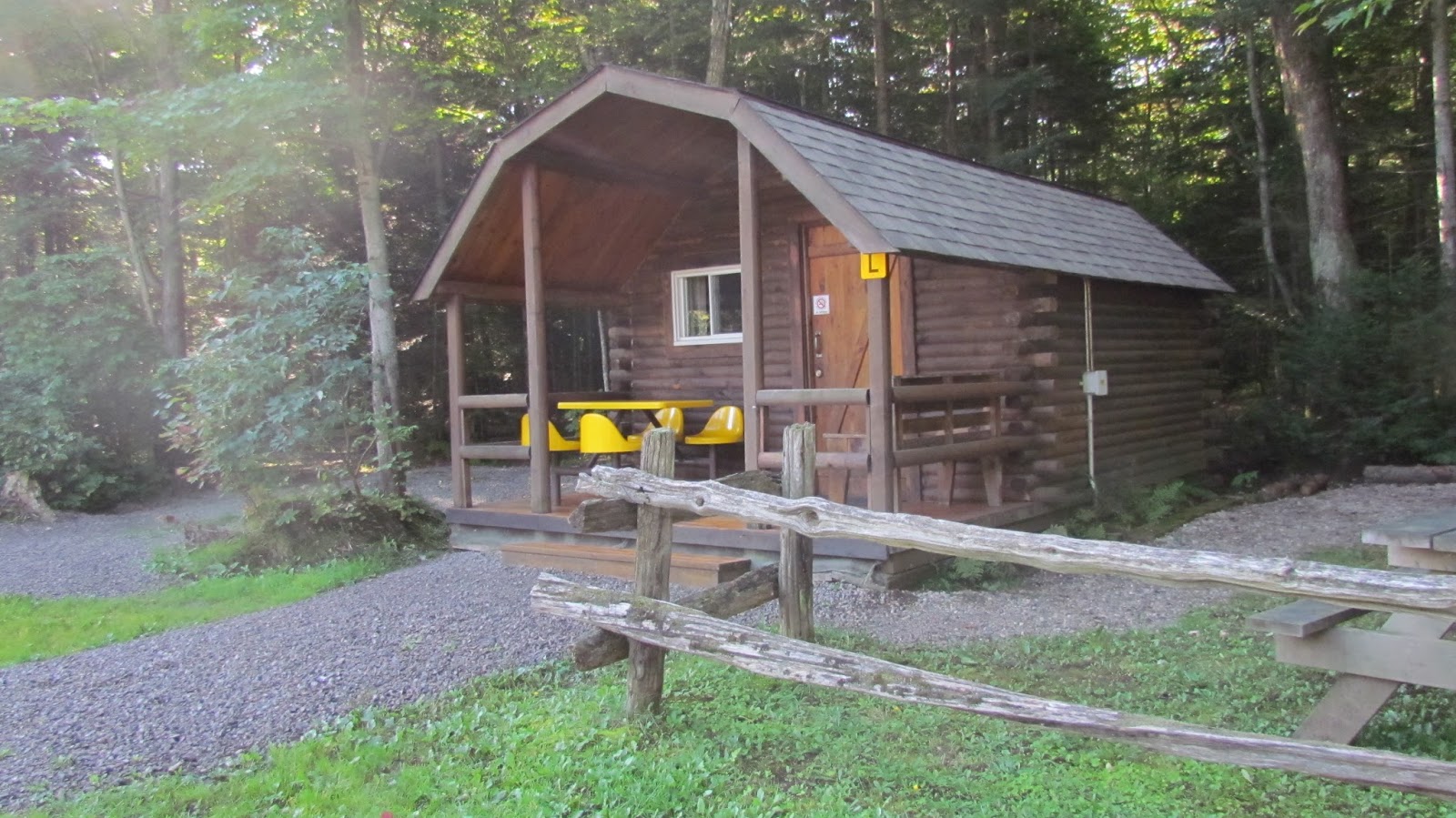

 We're well familiar with the practices involved in clean camping as we did canoe camping prior to this adventure. Everything that has any smell to it, not just food but deodorant, soap, etc., goes in the locked car or up a tree if you're in the back country with no access to your car. All coolers, stoves, etc. are also locked in the car.

 We're well familiar with the practices involved in clean camping as we did canoe camping prior to this adventure. Everything that has any smell to it, not just food but deodorant, soap, etc., goes in the locked car or up a tree if you're in the back country with no access to your car. All coolers, stoves, etc. are also locked in the car.


